
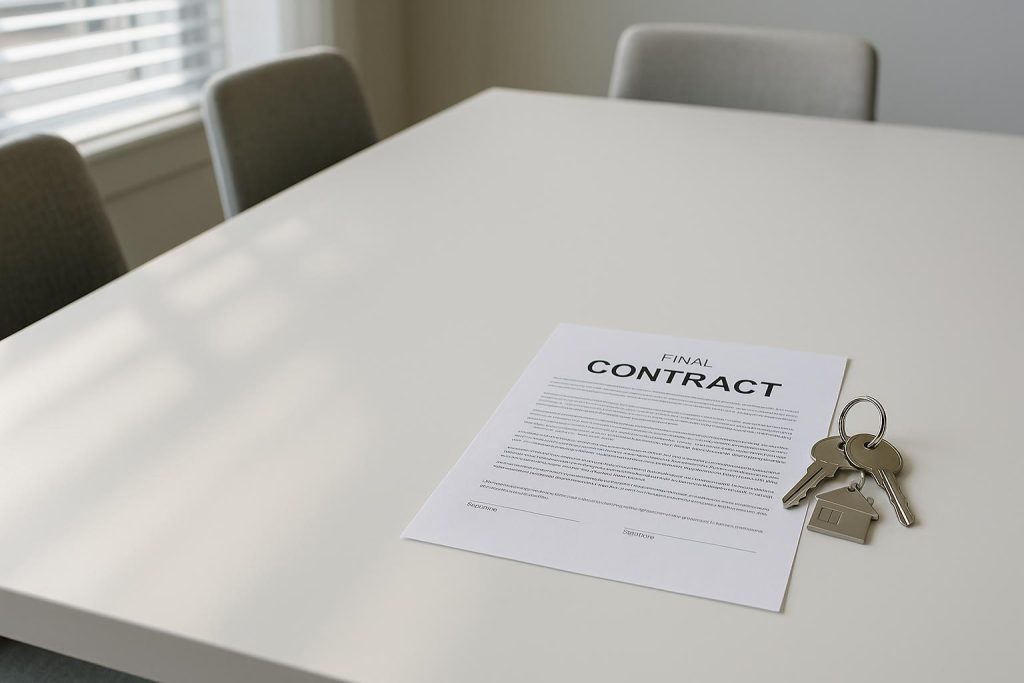
Understanding and Overcoming Delays in the Final Closing Stage
The final closing stage in a real estate sales pipeline is where all parties hope to cross the finish line. However, this stage can sometimes stretch out much longer than anticipated, resulting in frustration and uncertainty for buyers, sellers, and agents alike. In this comprehensive guide, we will delve into the various factors that typically slow down the closing process and provide insights into how to address them. By understanding these issues and implementing strategic solutions—including effective communication, robust document management, and streamlined workflows—you can help ensure a smoother and faster journey to closing.
1. The Importance of the Final Closing Stage
The term “final closing stage” refers to the point in a real estate transaction when all documents have been signed, necessary funds have been deposited, and ownership is transferred. This process might sound straightforward, but a host of details can create friction along the way. The longer the closing stage drags on, the more costs can potentially accumulate. For instance, moving dates might need to be pushed back, interest rates could shift, and sellers may incur additional holding costs.
Real estate developers deal with even greater complexity when multiple properties or large-scale projects are involved. One delayed closing can have a cascading effect, requiring rescheduling with contractors, new owners, and lenders. By shedding light on the numerous pitfalls in this stage, real estate professionals can better prepare themselves and their clients. Below are the core issues that most commonly derail a timely close.
2. The Pesky Paperwork Factor
Perhaps the single most prevalent culprit behind closing delays is incomplete or inaccurate paperwork. Real estate transactions require a multitude of documents—from inspection reports and title paperwork to mortgage statements and final disclosures. Missing pages, incorrect details (such as typos in names or addresses), and unverified reports can all trigger major holdups.
- Title Issues: Errors or disputes in the property’s title can surface late in the process. Title insurance companies thoroughly investigate land records, and if any disagreements over past ownership or unpaid liens emerge, the transaction must pause until these issues are cleared.
- Inspection and Repair Documents: Before finalizing the sale, both buyer and seller must review inspections (home, pest, structural) and any repair requests. If the documentation is incomplete or the required fixes are still pending, the closing process can stretch out.
- Local Regulations: Some municipalities demand additional paperwork for specific property types or permit verifications. Ensuring compliance with these requirements can add extra steps to the closing timeline.
A practical approach to avoiding paperwork mishaps is proactive organization. Real estate professionals should verify well in advance that every required form is filled out accurately and that supporting documentation is available. Digital solutions that centralize paperwork can further minimize confusion and duplication errors.
3. Financing Hurdles
Beyond paperwork, financing can be a significant obstacle. Buyers often assume that once they have a mortgage pre-approval, their financing is set. Unfortunately, many things can go awry between pre-approval and actual loan funding. For instance, a buyer’s credit score could dip suddenly, or the lender might uncover discrepancies in their employment details. Even minor irregularities can trigger a more thorough underwriting process, extending the timeline.
Lenders also have deadlines they must meet, such as finalizing paperwork and transferring funds. If a lender is swamped with high loan volume or short-staffed, delays can ensue. Additionally, if a borrower decides to make a large purchase or changes jobs in the time between contract signing and closing, this can upend loan approval. Ensuring financial stability throughout the transaction—particularly from offer acceptance to closing—is vital.
4. Communication Breakdowns
Buying and selling a property often involves multiple players: the buyer, the seller, their respective agents, attorneys, lenders, appraisers, and sometimes homeowners’ associations. When these parties fail to communicate effectively, critical details can be overlooked or misunderstood.
- Missed Updates: If the seller is waiting on the buyer for a waiver or the buyer is waiting on the lender for an approval, a lapse in updates can mean days or even weeks pass before someone notices a vital step was never completed.
- Unclear Responsibilities: In larger real estate developments, it may not be obvious who is in charge of scheduling inspections, ordering appraisals, or providing mortgage payoff statements. Lack of clarity leads to tasks slipping through the cracks.
- Technology Gaps: Without a centralized portal or project management tool, essential reminders can become buried in endless email threads, making it difficult to track real-time progress.
To avoid these pitfalls, real estate professionals should establish a clear chain of communication from the outset. A single platform or workspace to monitor deadlines, assign tasks, and confirm sign-offs can sharply reduce the risk of misunderstandings and set the stage for a more efficient closing.
5. Last-Minute Negotiations
It is not uncommon for issues to arise shortly before closing that spark new negotiations. In some cases, an inspection might reveal unanticipated repairs, or a buyer might request additional concessions. At other times, the seller might ask for expedited closing if they need to move quickly. Each new request requires time to evaluate, discuss, and finalize.
While these last-minute contract amendments can’t be fully prevented, managing them effectively can limit delay. If all parties stay transparent about their concerns, it is easier to orchestrate negotiations in a timely manner. Moreover, being prepared with alternative solutions—like credit toward closing costs or a quick repair turnaround—can diffuse potential conflicts and keep the transaction moving forward.
6. Title and Appraisal Issues
Accurate appraisals and clean titles are cornerstones to a successful real estate transaction. When an appraisal report comes in lower than the agreed-upon purchase price, buyers and sellers may need to renegotiate. For instance, the buyer might ask the seller to lower the price, or the buyer might opt to pay the difference out of pocket if the lender won’t cover the higher cost. This back-and-forth can hold up the closing until a resolution is reached.
Similarly, a property’s title must be free and clear of encumbrances—such as claims, judgments, or liens—before the sale can finalize. If the title search reveals an outstanding lien, the seller usually has to pay it off or take legal steps to remove it. Depending on the complexity of the issue, clearing up a title problem can significantly prolong closing times.
7. Final Walk-Throughs and Property Condition
Buyers often conduct a final walk-through within 24 hours of closing. This step allows them to verify that the property is still in acceptable condition, that all agreed-upon repairs are completed, and that no new damage has appeared. Any problems that crops up at the 11th hour—like missing appliances, water leaks, or unperformed repairs—can spark a flurry of phone calls, negotiations, and document revisions.
Though it may seem like a last-minute requirement, the final walk-through is essential for confirming the property’s condition and ensuring both parties are meeting their obligations. If buyers discover issues that need immediate attention, all parties must decide how and when to address them. Proper documentation of these final repairs or adjustments is also critical to avoid future disputes.
8. Scheduling Conflicts
Even when aspects like financing, title, and repairs are on track, practical scheduling challenges might derail a timely closure. Buyer and seller availability, lender deadlines, and coordinating with escrow or settlement offices can become complicated. A buyer relocating from another state, for example, might not be able to travel for an in-person signing for several weeks. Additionally, escrow or settlement offices might have limited appointment slots, especially during peak real estate months.
In certain cases, an online remote closing is an option. However, real estate laws differ by jurisdiction, and not all lenders or counties permit fully virtual closings. Clarifying everyone’s preferred closing method and scheduling approach early on can help set realistic expectations and prevent last-minute scrambles for available time slots.
9. The Role of an Integrated Real Estate Software Platform
One of the most effective ways to address and mitigate these closing delays is through a comprehensive software solution that streamlines workflows and centralizes communication. For instance, a robust platform tailored for real estate developers could unite documentation, communication logs, and milestone tracking in one place. This structured approach helps teams stay on top of every detail, from verifying paperwork accuracy to confirming that inspection reports have been received before the final walk-through.
By providing real-time visibility into every stage, such a platform ensures that no critical task goes unnoticed—speeding up approvals, simplifying negotiations, and reducing reliance on multiple documents scattered across email threads. Additionally, a unified system can manage contingencies effectively by automating checklists and sending out timely notifications when sign-offs or reviews are needed. Efficiency is enhanced further if the platform integrates seamlessly with existing ERP or CRM solutions that developers already rely on, creating a cohesive tech ecosystem.
10. How Pluto Systems Can Help
For real estate developers seeking to eliminate closing delays, Pluto Systems offers an integrated platform to address the exact challenges outlined above. By consolidating communication, automating routine tasks, and providing unparalleled document management features, Pluto Systems forms the heartbeat of a real estate transaction. When every stakeholder—from lenders and agents to buyers and sellers—has access to the same set of real-time data, issues can be identified and addressed quickly.
This end-to-end solution was developed with the unique processes of the construction and development industry in mind, so it adapts seamlessly to the needs of large-scale development projects as well as smaller transactions. Because Pluto Systems centralizes tasks and updates in one place, you can keep an eye on your entire sales pipeline—from the initial buyer inquiry right through to the final handshake at closing. To discover more about how these solutions can fit into your workflow, you can visit the Home page for additional insights.
11. Proactive Strategies to Reduce Closing Delays
Below are some actionable strategies to keep your deals moving:
- Maintain Up-to-Date Financing: Buyers should stay in touch with their lenders and avoid significant financial changes that could affect their loan eligibility.
- Confirm Paperwork Early: Sellers should gather title documents and property disclosures before putting a home on the market. Buyers should provide lenders with the requested documentation well ahead of time.
- Schedule Inspections Promptly: Immediately after offer acceptance, schedule home, pest, and other relevant inspections. Quick results give more time to negotiate in case issues arise.
- Use a Centralized Communication System: Whether you’re an individual agent or a large developer, employing a project management platform devoted to real estate can minimize confusion.
- Be Flexible on Scheduling: Keep track of the availability of key parties—such as attorneys, escrow officers, and the buyer and seller themselves—and remain open to using mobile notaries or remote closings if permitted in your jurisdiction.
- Expect the Unexpected: Budget time for last-minute negotiations, requests for concessions, or re-inspections. Building buffer days into your closing timeline can keep the process from derailing.
12. Final Thoughts
Navigating through the final closing stage can feel like passing multiple checkpoints, each with the potential to create delays if not managed carefully. From ensuring accurate documentation to securing the necessary financing, every seemingly small step helps build toward a successful conclusion. By proactively organizing paperwork, clearly delegating responsibilities, and adopting modern solutions—such as a centralized software platform—you can significantly reduce the likelihood of last-minute gaps.
For busy real estate developers working across multiple units or subdivisions, the stakes are even higher. A single closing delay can set off a chain reaction, delaying other units, complicating schedules, or even affecting ongoing construction timelines. Taking a systematic approach—one that integrates communication, tracks all documents in real time, and provides visibility across teams—fosters confidence and trust different departments need to stay in sync.
In a competitive market, trust and efficiency are valuable commodities. Clients appreciate when their real estate transaction proceeds according to plan with minimal friction. By learning from common causes of closing delays and equipping your organization with the right tools, you set the stage not only for smooth final closures, but also for a reputation that will keep buyers returning and generate referrals.
Ultimately, a successful final closing stage is less about luck and more about preparation and alignment. With a proactive mindset—combined with clear communication and the right platform behind you—you can say goodbye to unwelcome surprises and confidently lead your transactions to the finish line.
