
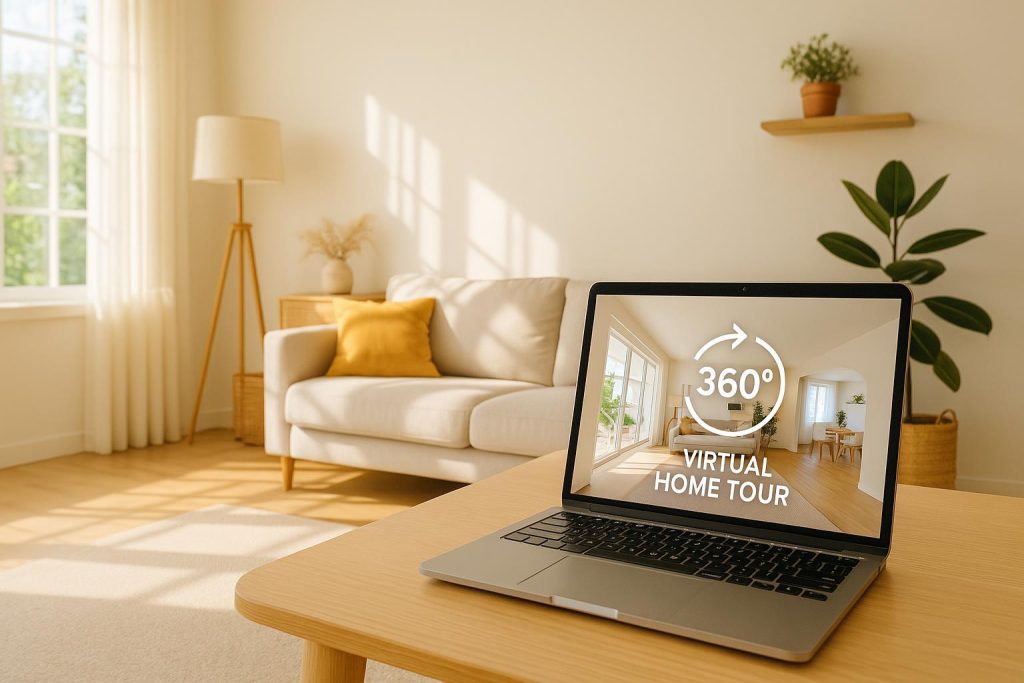
Why Virtual Home Tours Significantly Reduce On-Site Visits
Virtual home tours have evolved into a pivotal element of modern real estate marketing, allowing prospective buyers to explore properties at their convenience. By offering immersive, interactive experiences, these digital tools help buyers quickly sift through potential homes without physically traveling to each location. The result? Fewer on-site visits, improved efficiency for sales teams, and a more streamlined homebuying process overall. Below, we delve into the many reasons why virtual tours can lead to a pronounced decrease in in-person showings, from saving time to enriching the buyer’s decision-making journey.
The Emergence of Virtual Home Tours
The real estate industry has long been characterized by in-person tours, open houses, and face-to-face interactions. However, developments in technology have spurred a new era where high-quality images, panoramic views, and interactive 360-degree videos replicate the experience of walking through a property. This shift was further accelerated by the growing prevalence of smartphones, faster internet speeds, and user-friendly applications that can embed virtual walkthroughs directly into online listings.
Beyond just marketing advantages, virtual home tours have become a key resource for developers, brokers, and buyers to connect from diverse locations. For instance, potential clients who are across the country—or even overseas—can now enjoy a thorough perspective of a property without traveling. This long-distance accessibility is integral for reducing quick, non-essential visits and focusing on serious prospects who are more likely to take the next step.
Why Virtual Tours Minimize On-Site Viewings
Multiple factors contribute to the effectiveness of virtual home tours in cutting down on physical visits. Here are some standout reasons:
- Immediate Insight: The immersive nature of most virtual tours gives potential buyers a quick feel for a property’s size, layout, and overall ambiance. This immediate insight can instantly weed out properties that don’t meet a buyer’s preferences, minimizing the number of unnecessary site visits.
- Saves Time and Money: Buyers no longer have to spend days or weekends driving from one neighborhood to another just to discover a property is unsuitable. Real estate professionals, likewise, can concentrate on showing homes to genuinely interested clients, reducing wasted time and resources.
- Greater Convenience: Virtual tours are available 24/7. Prospective buyers can “visit” properties late at night, early in the morning, or whenever their schedule permits. This level of convenience encourages a self-guided approach where individuals narrow their options before scheduling any in-person tours.
- Enhanced Visuals and Information: Many virtual tours offer extra features like floor plans, property descriptions, or clickable hotspots that provide more details. These can answer initial questions on the spot, further avoiding trivial inquiries and potential visits that don’t progress beyond the “just looking” stage.
Key Elements That Enhance a Virtual Tour’s Effectiveness
Not all virtual tours are created equal, and the goal is to replicate the feel of an in-person viewing as closely as possible. To achieve this, developers and real estate professionals often use:
- High-Resolution Imagery and Video: Crystal-clear visuals ensure viewers get an accurate sense of a property’s conditions and design. Low-quality images may raise more questions than they answer, prompting unnecessary site visits.
- 360-Degree Interactive Views: Properly stitched, 360-degree panoramas offer a full, uninterrupted look at each room, letting prospective buyers “turn around” within the image and investigate every nook and cranny.
- Floor Plan Integration: Overlays and pop-up floor plans enable viewers to envision the property’s layout more concretely. This enhances clarity about the flow between rooms, which is often a factor in deciding whether to visit.
- Interactive Hotspots: Links or clickable icons in the virtual tour can show additional photos, highlight key features, or offer property details like square footage, appliance updates, or community amenities.
- Responsive Design: A good virtual tour should be fully functional whether viewed on a desktop, tablet, or smartphone. This ensures anyone can participate at their convenience.
Boosting Marketing Appeal
Virtual tours do more than cater to existing leads; they also help attract a broader audience from the outset. When listings include a virtual tour, search engines may rank them more favorably, boosting online visibility. By integrating relevant keywords—like “virtual home tour” and “interactive real estate walkthrough”—into property descriptions and metadata, you can improve search engine optimization and draw more potential buyers. The more people who view your listing online, the fewer on-site visits will be necessary to find serious buyers.
Additionally, virtual tours can significantly help track buyer engagement for new constructions. Through integrated analytics, real estate teams can find out how often prospects hover over certain features or whether they revisit particular areas within the tour. This data can then guide marketing strategies, focusing efforts on the property’s most appealing highlights and ultimately speeding up the conversion from browser to homebuyer.
Minimizing Travel Time and Expenses
Not all buyers live close to the neighborhoods where they plan to purchase homes. It’s quite common, especially for those relocating or interested in vacation properties, to be miles, states, or even countries away. Virtual home tours cut down on the hassle and cost of repeated long-distance travel by letting buyers view multiple listings from afar. This way, they can narrow down the most promising options before making a single trip to see them in person.
Similarly, real estate professionals no longer have to rush between scattered appointments all over a city or region. They can batch and prioritize in-person viewings for highly qualified leads who already know they love the property from the virtual tour. This strategy saves time, reduces fuel costs, and even decreases carbon emissions caused by excessive driving.
Enhanced Efficiency for Real Estate Teams
Real estate agents, developers, and brokers are typically juggling various responsibilities—lead generation, contract management, customer follow-ups, and more. Coordinating multiple showings for individuals who are “only curious” drains time and resources. By leveraging virtual tours, teams can focus on leads who demonstrate genuine interest, signaled by extended engagement with the online tour or follow-up questions on property features. This streamlined approach can improve productivity, reduce operational costs, and create a more satisfying experience for both buyers and sellers.
Moreover, centralized platforms that integrate virtual tours can facilitate better coordination among internal departments. For example, construction teams can check for any finishing touches that must be completed before a virtual tour goes live, while marketing teams can time out promotional campaigns to align with a newly produced tour for a development’s latest phase of units.
Impact of Virtual Tours on the Buyer Decision Process
Buyers naturally appreciate the instant access and transparency that a virtual tour offers. This format can also keep them engaged longer, offering a more relaxed and detailed look at the home. As they navigate at their own pace, they’re encouraged to ask more direct and informed questions, having already observed the major features through the virtual walkthrough.
In many cases, couples or families who live in separate households can view the same virtual tour, discuss it over video chat, and then collectively decide whether it’s worth an on-site visit. This unified decision-making process helps reduce wasted in-person appointments. Additionally, it fosters clarity about each family member’s preferences. By the time everyone arrives at the physical property, they already have a sense of comfort and familiarity, often expediting the decision to make an offer.
How Virtual Tours Aid Inventory Monitoring
For developers managing multiple units, especially large-scale projects, keeping track of moving inventory can be a logistical challenge. Virtual tours help categorize and highlight each available property based on real-time data. By linking each 360-degree view to the correct pricing, features, or construction status, sales teams can easily update their listings without scheduling new visits for potential buyers. If you’d like to learn more, find out how virtual home tours assist with monitoring housing inventory.
This convenience also extends to internal teams. By documenting the exact look and feel of each available unit through a virtual tour, sales departments can collaborate more effectively with project managers, construction supervisors, and marketing teams. Everyone has a shared point of reference that can be accessed online at any time, ensuring consistent, up-to-date information on which units are ready to show physically and which ones need more work.
Streamlining Collaboration Among Different Teams
Virtual tours don’t just benefit external viewers—they’re also an advantage for internal cross-functional collaboration. Sales agents, architects, and even interior designers can examine a virtual tour together to evaluate design elements or changes. This can be particularly valuable for newer developments or pre-construction homes.
Additionally, these tours can act as training tools for newer team members, providing them with a real-time visual representation of a property’s features and layout. For a deeper dive, explore how virtual home tours streamline project handoffs among different teams.
Implementing Virtual Tours Successfully
Developing effective virtual tours demands careful planning and execution. Before embarking on a digital walkthrough project, it’s wise for real estate developers to consider the following:
- Technology and Equipment: Using high-resolution cameras and reliable software can ensure viewers receive a high-quality, uninterrupted touring experience. Staging and lighting also play critical roles in how each room is perceived.
- Accurate Property Information: Aligning the virtual tour with correct details—such as updated square footage, recent renovations, or neighborhood amenities—helps maintain trust among prospective buyers.
- Regular Updates: Properties evolve over time. Ensuring that your virtual tours reflect real-time changes, like recent paint touch-ups or completed renovations, is essential for an accurate viewing experience.
- User-Friendly Interfaces: If the platform for your virtual tours is cumbersome or confusing, potential buyers may give up. Keep the interface simple, with clear instructions on how to navigate from room to room.
- Strategic Promotion: Include links to your virtual tours in online listings, email campaigns, and social media to maximize your reach. This not only drives traffic but prequalifies leads, letting them explore the property thoroughly before contacting you.
These considerations are often stepping stones for a more robust digital marketing strategy that can include advanced analytics and integrations with real estate management platforms. If you’d like a deeper handbook on this topic, discover what real estate developers should consider before introducing a virtual home tour.
Real-World Use Cases and Success Stories
Beyond theoretical benefits, many real-world scenarios showcase how virtual tours have trimmed the number of on-site visits. Imagine a development team releasing a new condo project: Before any buyer physically arrives to see a model unit, they’ve already spent 10 to 15 minutes engaging with a 360-degree view of the living area, kitchen, and master suite. They may have clicked on hotspot details about appliances or floor finishes. With this advanced information, those who schedule an actual site visit are typically those who have a serious intent to buy. Sales professionals report fewer “tire-kickers” and reduced overall appointment scheduling headaches.
The experience extends all the way to the contract phase. A potential buyer might virtually tour three different floor plan variations and have their family weigh in, all from separate devices. Once they view them online, they can decide which one to pursue for an in-person inspection. By the time the appointment rolls around, they already know the property layout, price, and highlights. As a result, the conversation often revolves around financing, personalization options, or minor clarifications, with the buyer feeling confident enough to proceed with next steps.
Putting Virtual Tours into Practice
Implementing virtual tours effectively often comes down to the broader context of how a real estate firm or development team manages its sales funnel. Having a comprehensive approach ensures that the virtual tour isn’t just an isolated marketing piece, but rather a fully integrated tool. For instance, some firms pair virtual tours with scheduling tools that invite the prospect to book an on-site visit right after completing the online walkthrough. Others incorporate live-chat options or instant Q&A forms at key points in the tour, so potential buyers can clarify questions without leaving the experience.
When combined sensibly with an overall management platform, virtual tours can also keep key data in sync with your CRM, offering insights into a buyer’s engagement level. This approach helps sales teams tailor their follow-up. If a prospect spent extra time viewing the backyard area, for instance, an agent knows to highlight local landscaping resources or ways to customize an outdoor living space.
Conclusion
Virtual home tours have rapidly become indispensable for modern real estate professionals. They put convenience and transparency at the forefront, eliminating the need for repetitive showings and allowing buyers to explore key property features from anywhere. By giving prospects enough visual and contextual information upfront, virtual tours naturally reduce on-site visits to only those who are sincerely interested, saving invaluable time and resources for both sellers and buyers.
As the industry continues to pivot toward digital transformation, integrating high-quality virtual tours within your listings isn’t just a passing trend—it’s a crucial part of the real estate playbook. Whether the focus is on attracting viewers from different time zones, minimizing unproductive driving hours, or standing out in a crowded market, virtual tours encapsulate a powerful solution. And for those who aim to refine their digital approach and streamline sales processes even further, you can feel free to visit our home page to explore how modern real estate solutions can elevate your team and your bottom line.
