
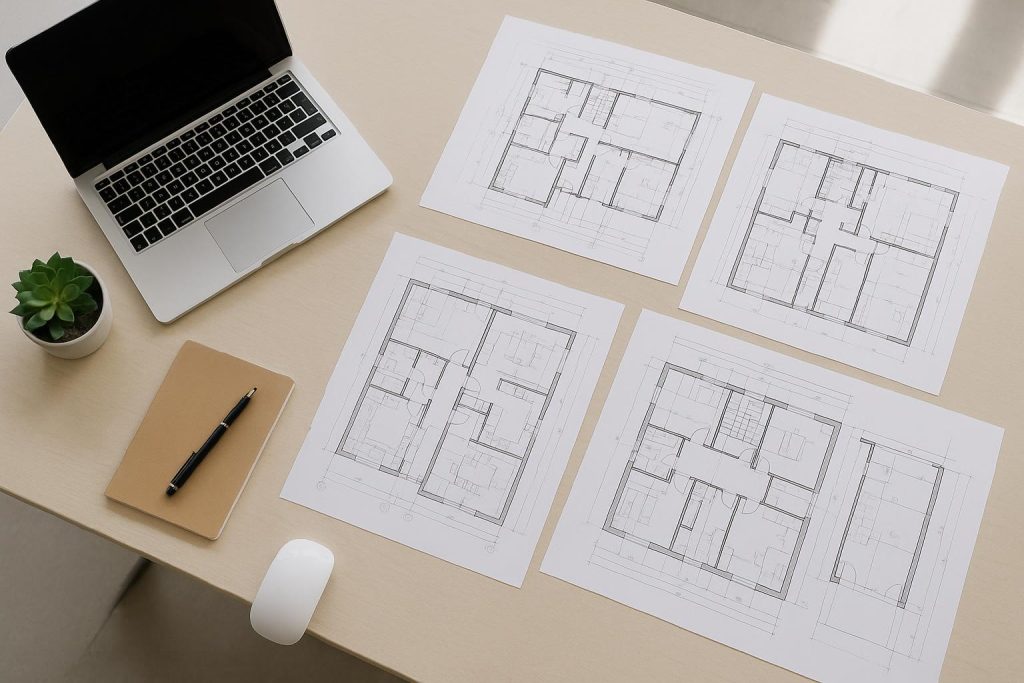
Organizing Multiple Construction Projects with Confidence
Managing multiple construction projects can seem like a monumental task, especially when each project has its own scope, budget, and timeline. In the real estate development world, this level of complexity increases exponentially as you juggle subcontractors, stakeholders, and external vendors on various sites. To ensure every project remains on track, it’s essential to adopt a systematic approach that emphasizes clear communication, robust scheduling, tight budget oversight, and proactive issue management. In this guide, we’ll cover the core strategies for organizing multiple construction projects effectively—from establishing a centralized schedule and assigning resources, to leveraging technology for real-time visibility. Whether you’re a project manager, site supervisor, or executive overseeing all operations, these principles can help you streamline tasks, minimize risk, and elevate your profitability.
Why Effective Organization Matters
An organized approach to managing multiple construction projects is more than just a time-saver—it’s a competitive advantage. When each crew member, team, or department knows what’s happening and when, you reduce costly delays and miscommunications. Furthermore, effective organization helps you:
- Improve profitability: By monitoring resources, avoiding waste, and mitigating rework, you make each project more cost-efficient.
- Enhance client satisfaction: Accurate timelines and transparent communication ensure stakeholders feel informed and confident in your progress.
- Boost team efficiency: A structured environment keeps team members focused, reducing duplicative efforts and streamlining collaboration.
- Build a data-driven culture: Tracking labor, materials, and budgets across multiple sites allows for more informed decision-making in real time.
Ultimately, staying organized across all your construction projects prevents minor issues from devolving into major setbacks. By laying a strong organizational foundation, you create a clear roadmap that your entire team can follow, ensuring unity and direction.
1. Clarify the Scope of Work for Every Project
The first step in managing multiple construction projects effectively is clarifying the scope of work for each individual project. It sounds straightforward, but many organizations jump into construction without nailing down all the details such as:
- The primary goals and deliverables
- Any regulatory or compliance requirements
- Permitting processes and local building codes
- Detailed tasks and responsibilities
- Specific quality standards or performance metrics
When you define the scope of work in granular detail, you eliminate assumptions and reduce the risk of misinterpretation. This approach becomes even more critical when you’re juggling multiple jobs: a singular misunderstanding on Project A can quickly consume your focus and energy, to the detriment of Projects B or C. A well-documented scope serves as the baseline reference, ensuring everyone knows the exact deliverables and expectations from the start.
2. Develop a Centralized Master Schedule
Once you have clarity on the scope, the next step is to develop a master schedule that caters to all your ongoing construction projects. An overarching timeline helps you see the bigger picture—where project deadlines align or conflict, which tasks overlap, and what resources are required at specific intervals. It’s prudent to:
- List all critical milestones: Identify key phases like design, permitting, site preparation, structural work, and finishing.
- Determine dependencies: Pinpoint tasks that must happen before others can begin (e.g., site inspections before foundation work).
- Allocate buffer time: Construction rarely goes without hiccups. A small buffer around milestones can save you from missed deadlines.
- Update frequently: Keep the schedule flexible enough to incorporate new data or changes in scope. This is especially helpful when multiple teams coordinate on shared resources.
A centralized schedule enables managers and executives to see a live snapshot of all active and upcoming tasks. Even a quick glance can highlight potential bottlenecks so that you can reposition resources or adjust timelines before conflicts arise. This approach lays the groundwork for optimal time management across the board, allowing stakeholders to plan well in advance for staffing shifts, logistical changes, and equipment allocations.
3. Implement Effective Communication and Collaboration Channels
Few things cripple progress faster than disjointed communication. When teams, contractors, or suppliers operate in silos, mistakes and duplication of efforts are inevitable. For any construction project—particularly when managing multiple sites—it’s essential to have clear lines of communication. Some best practices include:
- Daily or Weekly Check-Ins: Short, regular meetings or conference calls ensure everyone shares updates and promptly addresses emerging challenges.
- Centralized Documentation: All plans, contracts, permits, and records should live in a shared repository, so anyone can access the latest version of each document.
- Digital Collaboration Tools: Platforms designed for the construction industry can drastically reduce email overload. They also store real-time data on changes, updates, and resource availability.
- Defined Communication Protocols: Clarify how decisions get escalated or how urgent issues get reported (e.g., phone calls, alerts, or direct text messages).
Streamlined communication ensures that vital pieces of information—such as shifts in deadlines or immediate safety concerns—reach the right people at the right time. This level of coordination becomes more critical when you manage multiple projects, as even a small miscommunication on one site can have a ripple effect across your entire portfolio.
4. Manage Resource Allocation Wisely
Resource allocation, especially for labor and equipment, can be the linchpin of efficient construction project management. If a specialized crew or piece of machinery is double-booked, one or more projects will inevitably suffer delays. To avoid such pitfalls:
- Identify Resource Gaps Early: Review each project’s demands for materials, labor, and equipment. Do you have enough skilled labor or the necessary machinery for the timeframe in question?
- Use Resource Calendars: Maintain a calendar for the availability of critical resources. Update it whenever new projects are added or timelines change.
- Build Contingency Plans: If a resource becomes unavailable—perhaps due to equipment failure or staff turnover—have alternative solutions or backup contractors ready.
- Prioritize High-Impact Tasks: Ensure your most valuable resources focus first on critical tasks that could stall the entire project if delayed.
By planning for resource constraints in advance, you keep multiple construction projects moving steadily forward. This proactive approach alleviates the pressure that comes from competing demands on limited resources.
5. Maintain Strict Budget and Cost Controls
Costs can spiral out of control quickly on construction projects if they aren’t carefully monitored. When dealing with multiple projects at once, the risk of budget overruns multiplies. Consider the following methods:
- Set Up Individual Budgets: Each project should have its own budget line items and tracking system to keep overhead and direct costs easy to evaluate and compare.
- Use Real-Time Expense Tracking: A digital expense log or an integrated platform allows you to see costs as they accrue, rather than relying on monthly or quarterly summaries.
- Anticipate Change Orders: Both major and minor scope changes can drive up costs, so plan for them in your contingency budget.
- Review Costs Regularly: Hold monthly or bi-weekly financial reviews to detect any escalating cost patterns before they become unmanageable.
Maintaining visibility into each project’s financials leads to more precise forecasting and enables decision-makers to reallocate budgets as needed. It also promotes an environment of accountability where every team understands that real-time cost management is a shared responsibility.
6. Monitor Timelines and Key Milestones
No matter how well you plan, unexpected delays—from severe weather to supply chain disruptions—can throw your project timelines off course. Regularly monitoring milestones and deadlines allows you to stay agile and respond quickly when obstacles arise. Best practices include:
- Milestone Checkpoints: At each project milestone (e.g., completion of a building foundation, finishing of a structure’s exterior), conduct a brief status review to assess progress and identify pending tasks.
- Visual Tools: Gantt charts, kanban boards, or other project management visuals can help track progress in an easily digestible format.
- Early Warning Indicators: Keep an eye on metrics like percentage of tasks overdue or open issue logs to catch delays before they domino into bigger problems.
- Fallback Plans: Build “what-if” scenarios into your schedule, so you can shift resources or prioritize tasks if specific milestones get postponed.
Consistent milestone tracking ensures that small setbacks on one site don’t escalate to threaten the entire portfolio of projects. By keeping a close eye on each project’s progress, you can maintain a level of predictability and confidence that resonates with clients and investors alike.
7. Anticipate and Mitigate Risks
Every construction project involves risk, whether it’s labor shortages, volatile material costs, or technical complications. When multiple projects are in play, risk management becomes more critical, as an issue in one location can compound problems in another. Key steps to mitigate risk include:
- Conduct Formal Risk Assessments: Identify potential threats across your portfolio, from unexpected regulatory changes to design flaws.
- Create Emergency Protocols: Establish standard operating procedures for urgent situations like accidents or supply chain errors.
- Insure Appropriately: Make sure you have comprehensive insurance coverage that aligns with the scope and scale of your projects.
- Track Risks Over Time: Maintain a dynamic risk log that you update as projects evolve, allowing you to pivot and re-evaluate solutions when new risks surface.
Tackling risk management in a structured way ensures that your teams are prepared to handle unexpected challenges. This approach not only saves time and money but also protects your company’s reputation, as you can respond promptly and effectively when issues arise.
8. Leverage Technology and Integrated Platforms
Gone are the days when complex construction projects relied solely on spreadsheets and paper-based contracts. In the modern landscape, specialized construction management tools enable real-time updates, collaborative documents, and centralized data repositories. By uniting your teams and data on one platform, you reduce confusion, eradicate siloed information, and improve planning accuracy. Solutions like Pluto Systems serve as an example of how integrated software can align stakeholders, track resources, and streamline the entire process from contract management to inventory tracking. If you aim to reduce manual tasks and maintain better control over multiple construction jobs, consider robust digital solutions that:
- Integrate contract management, CRM modules, and reporting into your existing workflows.
- Offer self-sufficient workbenches, giving teams autonomy over data entry and updates while maintaining consistency.
- Provide a real-time dashboard to monitor budgets, timelines, and labor utilization across multiple sites simultaneously.
- Generate comprehensive analytics and MIS reporting to support swift, data-driven decisions.
Incorporating a dedicated construction-first platform can drastically simplify daily tasks, from responding to client requests to updating project timelines. When everyone is on the same page, the potential for errors diminishes, and overall efficiency rises. To learn more, visit our Home page for insights on how an integrated platform can transform your operations.
9. Foster a Culture of Accountability
Even with the best tools and processes, success ultimately depends on the people behind each project. Building a culture of accountability means instilling in every team member, including contractors and subcontractors, a clear sense of responsibility. Encourage everyone to document progress, raise concerns, and verify completion of tasks. This helps:
- Improve Transparency: Everyone sees who’s responsible for specific tasks and can track whether deadlines are met.
- Promote Active Participation: When employees feel ownership, they’re more proactive in identifying solutions to problems.
- Reinforce Professional Development: Team members who take accountability for their roles often strive for skill enhancement, leading to continuous project improvements.
- Reduce Micromanagement: Clear ownership of tasks spares supervisors from constant follow-ups, allowing them to plan at a higher level.
By fostering this environment, you ensure that each construction project has dedicated champions who are personally invested in its on-time and on-budget completion. This not only keeps projects running smoothly but also boosts morale and camaraderie among teams.
10. Conduct Post-Project Reviews and Continuous Improvements
A crucial yet often overlooked step in managing multiple construction projects is the wrap-up and evaluation process. Once a project ends, gather the relevant stakeholders for a comprehensive review. Topics to cover might include:
- Budget Analysis: Where did you overrun or underspend, and why?
- Timeline Accuracy: Did you meet milestones as planned, or were there recurring delays?
- Quality of Work: How did the final deliverables match up with client expectations?
- Resource Allocation: Were there bottlenecks or abundance in equipment or labor?
- Lessons Learned: What new procedures could you implement to enhance outcomes on future projects?
These insights provide a feedback loop for continuous improvement—fine-tuning your approach for the next project so you make fewer mistakes along the way. Over time, these incremental improvements add up to significant gains in efficiency, cost control, and team productivity, giving your organization a solid edge in a competitive market.
Final Thoughts
Organizing multiple construction projects doesn’t have to be overwhelming. By defining clear scopes, building a centralized scheduling system, ensuring robust communication, and leveraging technology like an integrated construction-focused platform, you give your teams the tools and clarity they need to excel. Proactive resource management, diligent budget oversight, and a culture of accountability further reinforce these fundamentals. Whether you’re overseeing several small developments or running multiple large-scale projects, these best practices offer a roadmap to keep everything flowing smoothly. Ultimately, effective organization translates into delivering projects on time, on budget, and in a manner that satisfies stakeholders and sets you up for long-term success. Remember, each innovation or improvement you incorporate now paves the way for a more efficient, profitable, and resilient construction operation in the future.
