What is the most expensive part of building a new home development?

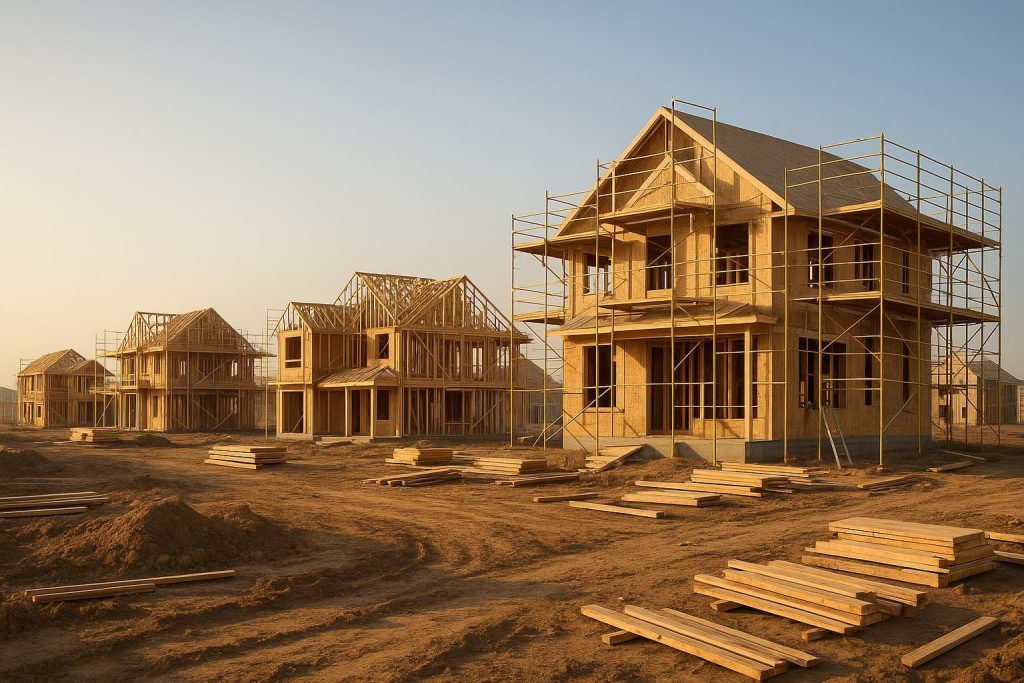
New home construction site emphasizing compliance monitoring in real estate development.

Breaking Down Key Cost Drivers in a New Home Development

Identifying the most expensive part of building a new home development can be challenging because so many elements factor into the overall budget. Typically, the largest cost comes from acquiring the land, especially in desirable areas with growing demand. Prime real estate locations can significantly increase total expenses, as developers may face bidding wars for limited plots. Additionally, site preparation costs, such as soil testing, grading, and addressing environmental requirements, can elevate the price tag before any construction begins.

Alongside land costs, materials and labor often rank among the highest budget items. A growing focus on specialized finishes and energy-efficient technologies can drive up material expenses. Meanwhile, skilled tradespeople, including electricians, plumbers, and carpenters, are essential for quality construction, and their wages reflect the depth of their experience. Labor shortages in certain regions can also push these costs higher.

Financing is another critical factor that can quickly add up. Interest fees on construction loans and holding costs during lengthy permit processes or unexpected project delays can take a hefty chunk out of any budget. In addition, many developers now acknowledge the value of compliance monitoring automation as part of their strategy for controlling long-term costs. Staying abreast of evolving regulations—ranging from environmental protections to local building codes—can be complex. By utilizing software solutions that streamline compliance tracking, it becomes easier to avoid costly penalties and ensure timely project milestones.

In many cases, overhead and administrative costs, such as insurance, site security, and project management fees, can also make a sizable impact. An organized, technology-driven approach is an excellent way to prevent these expenses from spiraling. When developers integrate digital solutions and real-time progress monitoring into their workflows, they reduce inefficiencies that might otherwise lead to skyrocketing costs. If you would like more insights on effective methods to optimize budgets or explore best practices for managing expenses, you can visit Home for helpful resources and information.

Related FAQs

Essential Metrics in Real Estate Analysis Real estate analysis is fundamental to understanding the health, profitability, and future potential of any property or portfolio—especially when operating in the new home sales and development sector. Whether you’re a small developer focusing on a few projects or an established real estate firm with a large inventory, tracking […]

Understanding Real Estate Risk Management Real estate is a complex industry where significant capital, multiple stakeholders, and fluctuating markets converge. To safeguard investments and ensure healthy returns, effective risk management techniques are essential. From financial volatility to legal compliance issues, the different types of risks inherent in real estate demand an informed approach. Below, we […]

Embracing AI in Real Estate for Enhanced Efficiency Artificial intelligence (AI) continues to reshape industries worldwide, and the real estate sector is no exception. By harnessing vast data sets and sophisticated algorithms, AI can analyze market trends, streamline transactions, and automate time-consuming tasks that traditionally require manual oversight. Today, many developers and sales executives increasingly […]

Elevating Real Estate Inventory Management One illustrative example of inventory management in real estate involves tracking and updating availability across multiple properties in real time. Picture a home developer juggling dozens of residential units—some in the planning phase, others under construction, and a few completed and ready for sale. Without a structured system, inaccuracies can […]

Ensuring Regulatory Compliance Regulatory compliance refers to the proactive process of aligning an organization’s operations, documentation, and policies with the legal and professional standards that govern its industry. In the real estate sector, this includes adhering to building codes, environmental regulations, financial reporting standards, and contractual obligations. By systematically meeting these requirements, firms demonstrate their […]

Key Differences Between Commercial and Residential Construction Commercial and residential construction projects differ in several key areas, from the scale of the development to the types of materials and timelines involved. In commercial construction, the buildings are typically larger in scope and must accommodate heavier foot traffic, such as offices, retail establishments, and warehouses. These […]